
Computer Numerical Control machining (CNC machining) has revolutionized manufacturing and engineering over the past few decades. CNC machineries, which combine digital technology with traditional manufacturing processes, has become a dominant method of manufacturing high-precision products and components for a variety of industries. This article explores CNC’s advantages, various applications, and mechanics.
The Mechanics of CNC Machining
CNC machining is a subtractive manufacturing process that removes the material from a solid block, or workpiece, to create the desired shape. This process uses computers pre-programmed to control the movements of machinery. The code generated for CNC machinery varies depending on the kind of CNC machine it is and how complex the component produced. The basic principle of the CNC machine is the very same. A high speed cutter is utilized to precisely sculpt away the material and create the final piece.
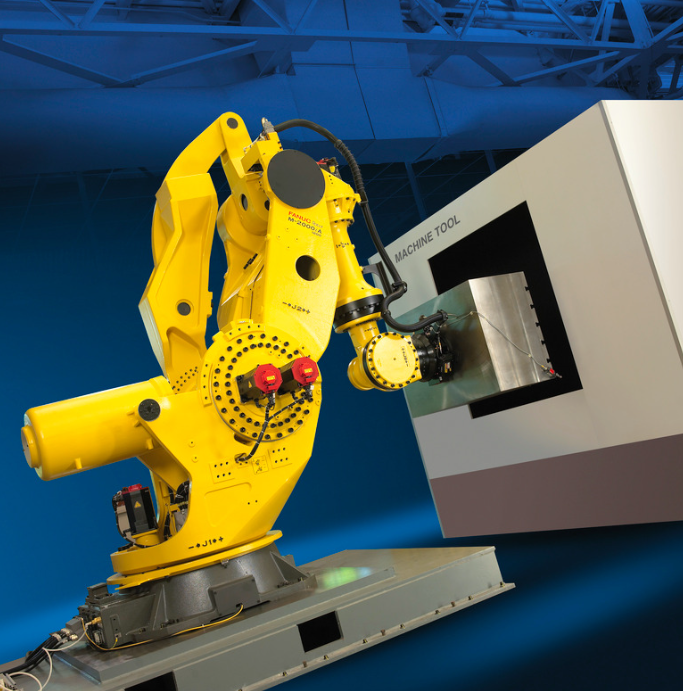
CNC Machining has numerous advantages. One of them is its precision. Digitalization can ensure extremely precise and reliable production. This reduces the chance of human error and guarantees uniformity between batches. This level precision is vital in the fields that are susceptible to even the smallest deviations, such as automotive manufacturing, aerospace, or medical equipment.
The Role of Digitalised Computers in CNC Machine Operations
CNC machining is a highly accurate and efficient method that is based on the digital technology. A specific software program automates the entire manufacturing processes. This software converts computer-aided design (CAD) models into a series of precise instructions that the CNC machine then follows to create the part. These instructions determine everything from the speed and direction of the machine to the angles and the thickness of the cut.
In industrial facilities of larger size computers can be connected directly with CNC machines. This makes it possible to communicate seamlessly and control. This integration allows for real time monitoring, adjustments, and optimisation of performance. Automating CNC machining permits the continuous operation. This improves productivity and reduces time to market.
The Advantages of CNC Machining
CNC machining offers numerous advantages over traditional manufacturing techniques. The ability to produce complex, intricate components with precision is among the biggest benefits. CNC machining accuracy reduces the amount of manual adjustment and rework. CNC machines can also be operated continuously, making them perfect for large-scale production runs.
CNC machining is also adaptable. The same machine can be used to produce a wide range of components by simply changing the program. CNC machining’s adaptability allows it to be utilized for mass production and prototyping, allowing manufacturers to respond quickly to market changes.
Automating CNC machining increases safety at work. The risk of injury and accidents is decreased by reducing the manual intervention. The consistency of quality in CNC machined parts improves the reliability and performance of the products, contributing to the satisfaction of customers.
CNC Machining Services: Benefits for Industries
CNC machines are used in a variety of industries, all benefiting from its accuracy, efficiency, and versatility. In aerospace, CNC machines produce critical components that must meet stringent safety and performance standards. CNC machining plays a crucial role in the production of surgical instruments and implants in the medical device industry which requires precision.
The automotive industry utilizes CNC machineries to produce engine components, transmission parts, and intricate exterior and interior features. Electronics manufacturers also benefit from CNC-machined small and intricate parts that are that are used in consumer electronics and communication devices. The art and jewelry industries utilize CNC technology to create intricate designs and custom-made pieces.
The Future of CNC Machining
CNC machines will be able to increase as technology continues to progress. Multi-axis technology, additive manufacturing and advanced materials, along with other innovations, will push the boundaries for what CNC technology can do. Machine learning and artificial intelligence will also likely improve the efficiency and precision of CNC machining.
In the end, CNC machining has profoundly changed the way we manufacture and engineer providing unbeatable accuracy as well as efficiency and flexibility. Its ability to produce complex parts with high accuracy is a crucial tool in a variety of industries. CNC machining, as the technology evolves, will continue to be a key component in manufacturing’s future.