
In American schools there is a silent epidemic that occurs every three minutes: the student is found to be smoking. Public health experts label teens who vape as a major problem as well, with the CDC noting that 40 percent of high school students and 20% of middle schoolers have attempted vaping with electronic cigarettes. A majority (99 percent) of them have nicotine, a chemical that is addictive and rewires developing brains and often can be used as a means to cigarette smoking. Parents, educators, and administrators are under increasing pressure to act. Vape detectors are a sophisticated technological tool that is fast becoming a necessity on all campuses. Triton as well as 3D Sense, among the most popular vape detectors used in schools have more to offer than just sound an alert.
How Vape Detectors Work: Precision Without Intrusion
Modern vape smoke sensors like the Triton Ultra Smart Safety sensor aren’t dependent on audio or video recordings to ensure 100% privacy compliance, while still providing valuable intelligence. The device makes use of advanced particulate sensor technology that analyzes the air in near-real time. If vape aerosols (like heavy perfumes), cigarette smoke or marijuana vapor appear the device will send an immediate alert via text email or text message to designated employees. False-positives are very minimal. Administrators can rest assured that all notifications need immediate attention.
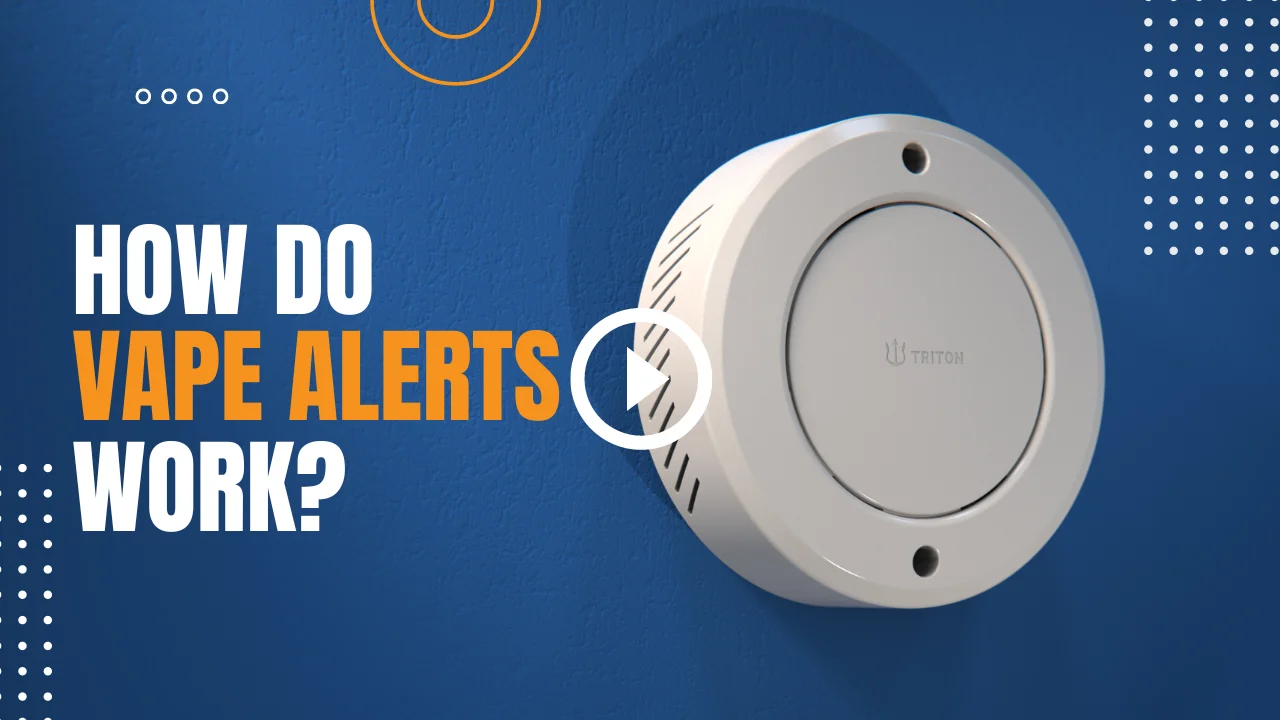
A single unit can be used to cover the entire hallway, bathroom or locker, making the deployment of this device cost-effective. Within five weeks of installing, Triton customers typically report significant reductions in the amount of vaping they do. Why is this? Data-driven deterrence. Triton Cloud Dashboard provides a “hotspot” of places and when vaping is occurring typically. Principals can then control security personnel or hall monitors to where they’re needed the most.
Beyond detection, occupancy visibility and Loitering control
What sets Triton apart from basic vape detectors is its patent-pending occupancy visualization technology. The ULTRA Sensor tracks dwell time without capturing any sound or images. Administrators are able to see the heatmaps in color that indicate when bathrooms have become social hubs and prime locations where smoking cigarettes is a common practice.
Stanford Medicine’s research underscores the significance of this problem Students who smoke cigarettes have a five-fold higher risk of contracting COVID-19. Vape detectors at schools can improve the quality of air by reducing concentration of. They also reduce transmission risks for airborne pathogens. After the pandemic, these devices have been essential because of their dual advantages.
Turning Data into Discipline and Dialogue
The numbers tell a compelling tale. The Triton report module gathers the quantitative evidence of incident timestamps, frequencies, locations and other information that schools can present to schools, parents groups and even to students themselves. There is a gradual loss of doubt when campuses report a 60 percentage reduction in detections since detectors were set up. Students and parents see the commitment of their parents. take responsibility for the results.
Educational professionals increase impact through announcing vape smoke detectors since the first day. For example, the 3D Sense model is marketed as a deterrent. Guideline materials advise that students should be aware of the fact that air is always watching. The social repercussions of bringing up an alert is often higher than any lecture.
A Multi-Front Strategy Schools Can’t Ignore
Vape detectors won’t stop people from smoking by themselves, but they are a part of a broader solution.
Monitoring Alerts that are real-time capture events as they happen.
Education – Evidence-based reports fuel curricula against smoking.
Dissuasion- Signage visible with specific consequences may alter behavior.
Discipline – Hotspot data justifies targeted enforcement.
Support Schools can pair detections with cessation tools for students who are struggling.
The CDC insists that turning around the trend will require “buy-in from parents, educators and the public.” Vape detectors are the missing link: immediate, objective feedback that turns good intentions into measurable outcomes.
Simple Installation
Triton Cloud Dashboard allows you to add devices to your account in just several minutes. Administrators can personalize notification rules and add contacts. One demo will show you how intuitive it is. You can arrange demos and watch live hotspot graphs and maps in action.
Conclusion
Every puff not taken care of could result in addiction for the rest of our lives. Inadvertent bathroom visits can be dangerous to your health as well as security. Vape detectors in schools such as Triton and 3D Sense offer more than surveillance. They provide intelligence, deterrence, and evidence of the progress. The campuses that install them aren’t merely reacting to the growing vaping problem They are taking back control.
With just one sensor for every room, privacy-safe occupancy information as well as rapid-alert systems these tools can transform your fears into concrete wins. It’s not a good idea to wait in an age where 40% of high school students have already tried it, and the proportion of middle schoolers are growing every day. The air in your school is a sign of the times, so be the first to learn what is being said.