
SWOT Analysis provides a comprehensive framework to evaluate the external and internal elements that influence the performance of a business and its potential. SWOT Analysis is a measurement tool that combines Strengths as well as weaknesses and opportunities with threats. It provides a framework to evaluate the factors both internal and external which affect a company’s performance. We explore SWOT Analysis in this article. We will examine its definition, the guiding principle, and practical application to business strategy.
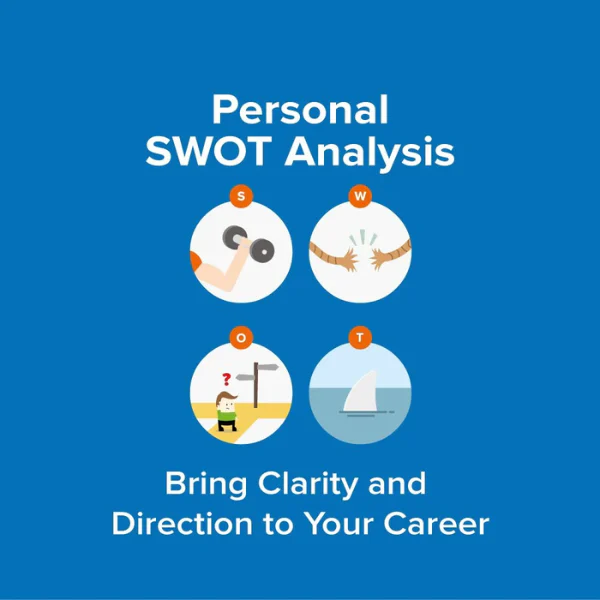
SWOT Analysis is defined.
SWOT Analysis, at its core, is a strategy planning that helps identify and assess a company’s internal strengths and weaknesses, as well as external threats and opportunities. This technique allows businesses to gain valuable insights about their competitive position and strategic direction. For more information, click Business SWOT Analysis
The SWOT Analysis Guide as a Strategic Roadmap
SWOT Analysis starts by gaining a thorough understanding of its goals and the components. To start, businesses must determine their strengths, which are internal assets and resources which provide them with a substantial competitive advantage. This can include things such as a strong reputation for their brand, new product offerings, or a talented workforce.
The next step is to identify the areas where an organization could be at risk or lacking compared to their competition. This could encompass issues like inadequate technology infrastructure, a insufficient market penetration or inefficient internal processes.
In examining the outside, businesses should explore external trends or factors that they can use to their advantage. This can include changing consumer behaviour or new market patterns.
Finally, organizations should assess external threats or issues that could threaten their business or hamper their progress. These factors could include an increase in competition, changes to regulations or economic slowdowns.
The Business SWOT: Integrating both internal and external perspectives
SWOT Analysis has the ability to incorporate both external and internal ones in strategic decision making. Through analyzing the organization from multiple perspectives, businesses can gain a better comprehension of their surroundings and prepare themselves for success.
SWOT Analysis can help businesses determine their strengths that they can capitalize on as well as their weaknesses that need focus. This knowledge allows companies to optimize resources, streamline operations, and increase their competitive advantage.
SWOT Analysis from an external perspective can help businesses stay alert to developments and trends in the larger market landscape. By identifying new opportunities, companies can grow into new marketplaces, innovate their product and service offerings, or pursue innovative business opportunities. By identifying threats, organisations can develop contingency plans to mitigate risks and ensure their viability for the long term.
Maximizing SWOT Analysis
To maximize the value from SWOT Analysis, organizations must do more than just analyse and identify. They need to turn their the insights into action. This involves creating strategies and programs that capitalize on strengths, tackle weaknesses, seize opportunities, and mitigate threats.
SWOT Analysis should not be viewed as a static exercise, but rather an ongoing process that is evolving to keep pace with the evolving business context. To remain relevant and efficient as a tool for strategic decision-making companies should review and revise their SWOT analyses whenever circumstances in the market or new challenges are encountered.
SWOT Analysis: A effective tool to make strategic decisions
SWOT Analysis offers a structured method for analysing the external and internal variables that influence organizational performance. Through a systematic analysis of weaknesses, strengths and threats and opportunities, an organization can gain valuable insights into its competitive position. It can also determine strategic priorities and create the path to long-term growth. When businesses are trying to navigate the complex of today’s market, SWOT Analysis serves as an effective tool to unlock potential, fostering innovation and achieving strategic goals.